
Reclaiming Your Core:
Why Diastasis Recti Repair and Tummy Tuck Are a Perfect Match
If you’re reading this, you’ve likely noticed a persistent, frustrating bulge in your midsection. It’s the one that simply refuses to budge, no matter how many crunches you do or how strictly you diet. Sound familiar?
Many people automatically chalk this up to “stubborn belly fat.” But, in many cases, the cause is much deeper—literally. It’s a common condition called diastasis recti. This is where the abdominal muscles separate, often a result of the incredible stretching that happens during pregnancy or from significant, rapid weight fluctuations.
Here’s the thing: diastasis recti isn’t just a cosmetic issue. While it absolutely impacts how your stomach looks, its real effect is on your core stability. Over time, this separation can seriously weaken your core, throw off your posture, and eventually lead to chronic lower back pain. It can feel like your center of gravity is completely off-kilter.
The great news is that there’s a highly effective surgical solution. And here’s the kicker: it often goes hand-in-hand with another popular and transformative procedure: the tummy tuck (abdominoplasty).
What Exactly is Diastasis Recti? The Core Problem.
Think of your rectus abdominis muscles—your “six-pack” muscles—as two halves of a zipper. They’re normally held together by a sturdy strip of connective tissue called the linea alba. When that tissue stretches or weakens (like a zipper coming undone), the muscle halves drift apart. This creates the characteristic visible bulge or “pooch” down the center of your abdomen.
This isn’t just about aesthetics; it’s about function. When your core muscles are separated, they can’t properly stabilize your torso.
This structural failure can lead to some surprisingly tough daily issues:
A perpetual, non-fat belly “pooch.”
Worsened posture and balance (it’s hard to stand up straight!).
Nagging, chronic lower back pain because your spine lacks core support.
Core or pelvic floor dysfunction, making activities like lifting or sitting up difficult.
It’s truly amazing how many people struggle with basic activities, like lifting their toddler or maintaining good posture at their desk, without ever realizing that diastasis recti is the underlying culprit.
The Power of Combining Diastasis Recti Repair with Tummy Tuck
“Can a tummy tuck actually fix my muscle separation?” This is one of the most frequent questions we get.
The answer is a resounding yes.
A full tummy tuck is often the gold standard and most effective way to correct diastasis recti. During the procedure, the surgeon doesn’t just focus on the skin and fat. The key, functional component is the muscle repair—where they carefully stitch the separated abdominal muscles back together, restoring the strength and natural integrity of your core.
This approach offers two huge benefits: you get a major improvement in both function and appearance. The results are frequently dramatic.
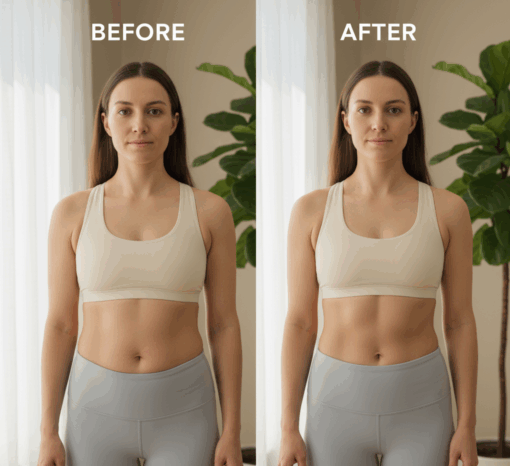
If you look at tummy tuck diastasis recti repair before and after photos , you’ll see not just a flatter stomach, but the look of a stronger, more stable core.
Exploring Your Surgical Options
There’s definitely no one-size-fits-all solution; your ideal procedure depends entirely on your body goals and the extent of the separation.
Tummy Tuck with Diastasis Recti Repair:
This is the most comprehensive option. It’s perfect for significant muscle separations combined with loose skin and/or excess fat. It effectively tightens the muscles, excises loose skin, and can include liposuction for detailed contouring. It’s truly the ideal solution for many postpartum mothers or those who’ve achieved massive weight loss.
To learn more about this transformative procedure, visit our page on full abdominoplasty services.


Mini Tummy Tuck:
This is a good choice for smaller separations that are mainly below the belly button. It requires shorter incisions and generally allows for a faster recovery.
Laparoscopic Diastasis Recti Repair:
This is a minimally invasive route using tiny incisions. It’s great for muscle repair alone if you have minimal excess skin. However, since it doesn’t involve skin removal, it won’t address the cosmetic concerns of significant skin laxity.

Scarring, Timing, and the Financial Side
What About Scarring?
It’s completely understandable to worry about scars. The good news is that skilled plastic surgeons use modern techniques to strategically place the incision low on the abdomen, typically below the bikini line. While some scarring is inevitable, it’s usually well-hidden and continues to fade significantly over the first year.
Is It Ever Too Late to Fix Diastasis Recti?
Rarely is it too late! Whether it’s been six months or six years since you gave birth or lost weight, muscle repair is still very much possible. The only real timing consideration is if you’re planning future pregnancies. If so, most surgeons recommend delaying surgery until after your last child. Why go through the effort only to stretch the muscles again?
How Much Does Diastasis Recti Surgery Cost?
The cost can fluctuate quite a bit based on the surgical complexity, your chosen surgeon’s experience, and the geographical location. Since the level of invasiveness varies, here is a quick overview of potential costs (using UK pounds as an example, as in the initial text):
| Procedure Type | Scope | Estimated Cost Range (UK) |
| Full Tummy Tuck with Muscle Repair | Muscle tightening, skin removal, fat contouring. | £6,000 to £10,000 |
| Laparoscopic Repair Only | Muscle tightening via tiny incisions, no skin removal. | Typically less than a full tummy tuck |
Can Insurance or the NHS Cover the Cost?
This is the million-dollar question. In certain cases, yes.
If your diastasis recti is causing genuine, documented physical symptoms like chronic back pain, umbilical hernias, or verifiable core dysfunction that impacts your daily life, then partial or full coverage may be possible through private insurance. However, purely cosmetic repairs are typically not covered.
Your surgeon is your best advocate here; they can help document the functional issues needed for potential approval.
The Road to Recovery and Real Results
Recovery is a journey, not a race. After a Diastasis Recti Repair with Tummy Tuck, most patients need about two to four weeks off work. You’ll need to strictly avoid heavy lifting or strenuous exercise for six to eight weeks. You’ll wear a compression garment for support, follow post-op instructions carefully, and gradually start to rebuild your strength with gentle movement and, eventually, specialized physical therapy.
The final results are truly life-changing. Beyond the visual confirmation in diastasis recti surgery before and after photos, you can expect:
A noticeably flatter, firmer midsection.
Better back support and posture.
Fewer physical limitations and less pain.
A major boost in confidence.
Most importantly, you’ll finally feel that strong, supported connection to your core again.
Ready to Rebuild Your Core?
Dr. Mario Russo is an expert in advanced tummy tuck procedures combined with meticulous muscle repair, focused on restoring both strength and confidence. If you’re tired of that stubborn belly bulge, fed up with back pain, or dealing with post-pregnancy core weakness, it’s time to take action.
Book a consultation today so we can guide you through your personalized options and create a plan tailored specifically for your body and your goals.
FAQ'S
Can diastasis recti be fixed with a tummy tuck?
Yes. A tummy tuck (abdominoplasty) is widely considered one of the most effective and comprehensive methods for repairing diastasis recti, especially if excess skin is also present.
Does simply tucking in your stomach help to fix the muscle separation?
No. While consciously engaging your abdominal muscles (tucking) can offer momentary support and improve posture, it cannot surgically repair the underlying separation of the rectus muscles.
What is the best surgery for diastasis recti if I have a lot of loose skin?
For most individuals with significant loose skin, the tummy tuck with muscle repair is the optimal procedure because it addresses the separation, removes excess skin, and contours the abdomen all at once.
Is laparoscopic surgery a good option for everyone?
Laparoscopic repair is a great, less invasive option for patients whose primary concern is muscle separation and who have minimal to no excess skin. It will not address loose skin or excess fat.
How can I improve my chances of getting insurance to cover diastasis recti repair?
You must be able to prove that the condition is causing functional impairment, such as chronic back pain, a hernia, or severe core dysfunction that impacts daily life. Working closely with your surgeon to document these medical necessity issues is key.